Find your way around the province
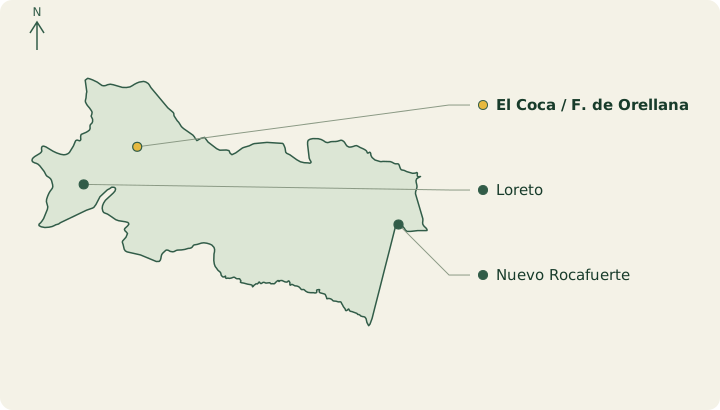
- El Coca / F. de Orellana
- Loreto
- Nuevo Rocafuerte
What to discover
MACCO offers a cultural introduction before a forest stay. Choose river accommodation and community visits according to their actual location.
Heritage and traditions
This is inhabited territory. Prefer experiences narrated and led by hosts, respecting boundaries around visits and photography.
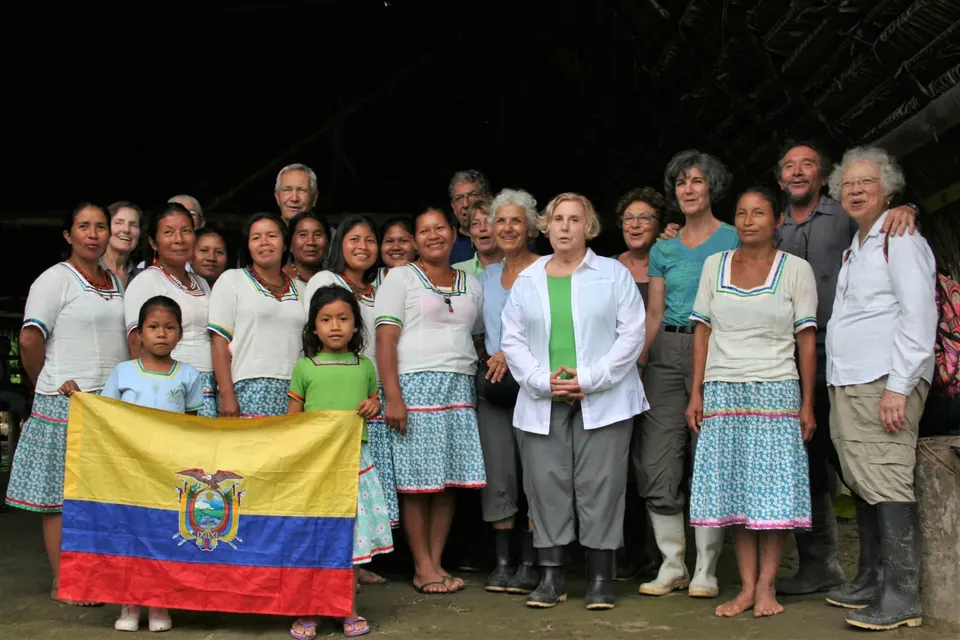
Photo : Añangu · CC BY-SA 4.0

A suggested stay
Allow time in El Coca around your transfers. Compare travel hours with the time actually available at the destination.
Plan this stop
Ask whether accommodation lies inside the national park, on its edge or elsewhere. Confirm permissions, guides, transfers and included activities.
Festival and seasonal calendar →
Practical information
When to go
The Amazon can be visited year-round, with heat, humidity and rain in every season. River levels affect boat trips and walks: confirm the programme with your host shortly before departure.
What to book or arrange
Arrange your forest stay, guide and transfers with the host before arrival. Ask which visits are included, who leads them and how the programme adapts to rain and river levels.
Local food to try
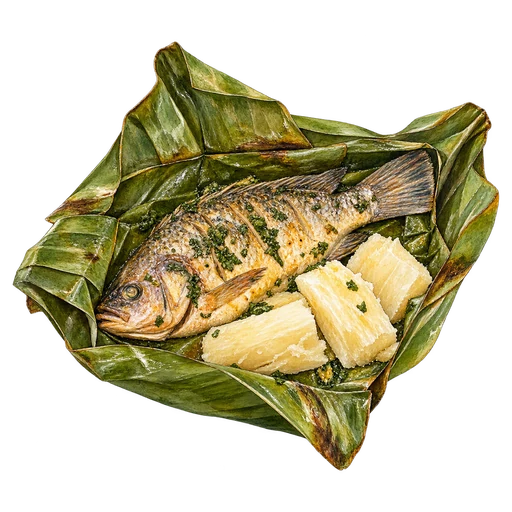
Fish maito, cooked in bijao or banana leaves, is also enjoyed in Orellana. Cassava and plantain accompany Amazonian cooking. On a community-hosted visit, discover the dishes offered and their connection to local crops and produce.