The Andes: potatoes and market cooking
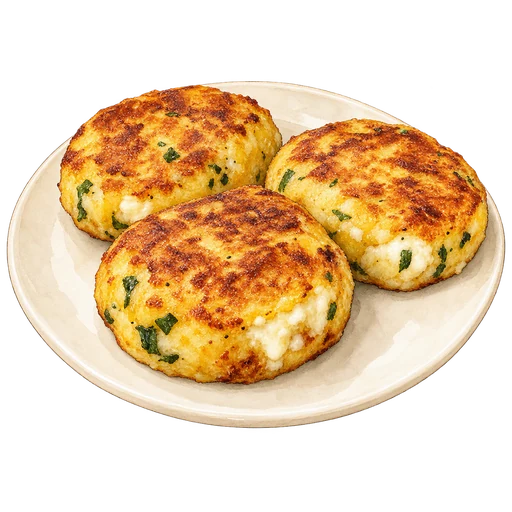
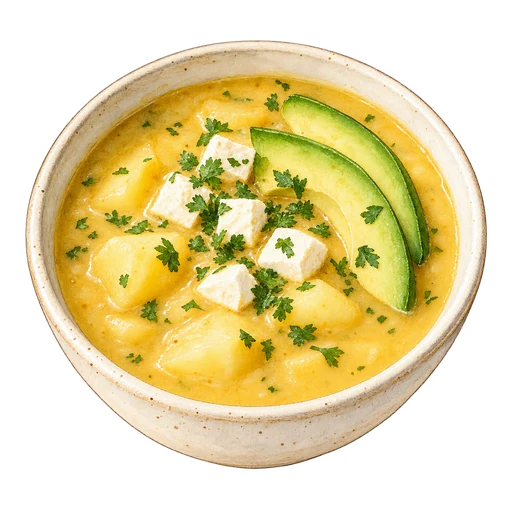
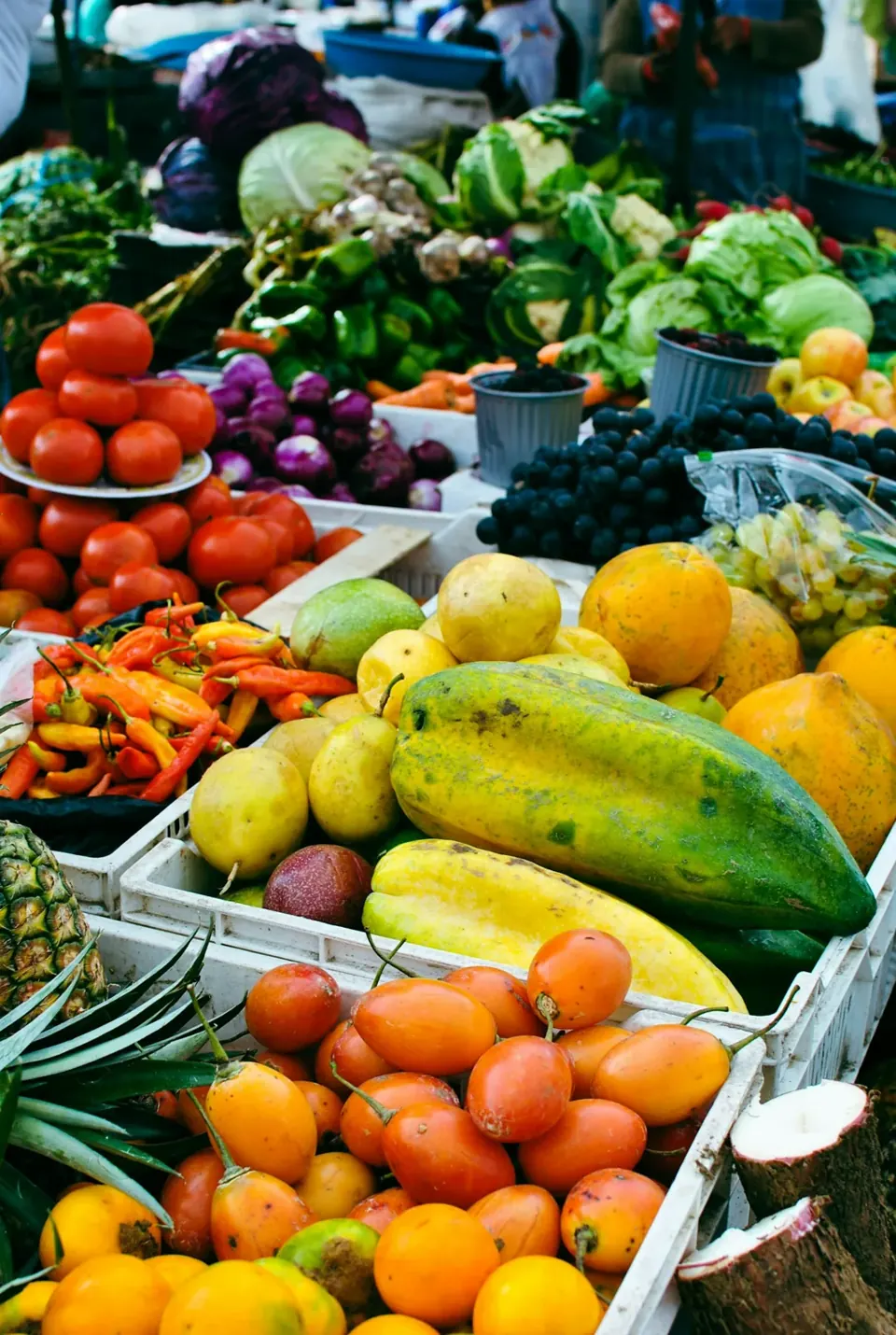
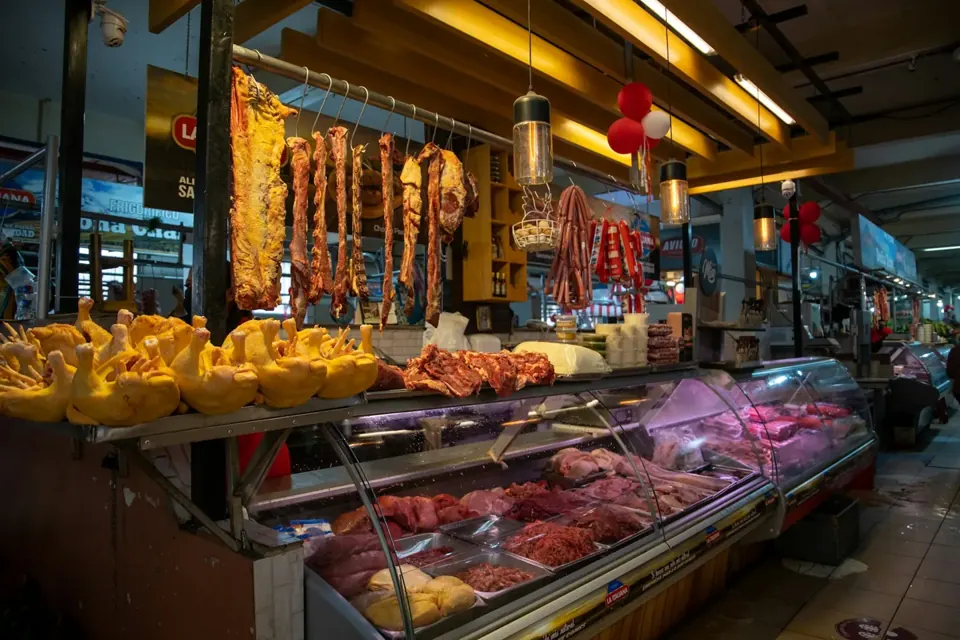
Locro de papa is a potato soup; llapingachos are potato patties. In Quito or Tungurahua, notice the accompaniments too: preparations vary between cooks. Markets let you discover produce before encountering it on a plate.
Sweet stops between Cayambe and Ibarra
Cayambe’s bizcochos, Ibarra’s helados de paila and Salcedo’s ice creams suggest several Andean stops. They are not one excursion: choose them to fit your route. Asking how they are made adds another dimension to tasting.
The Costa: seafood, plantain and local recipes
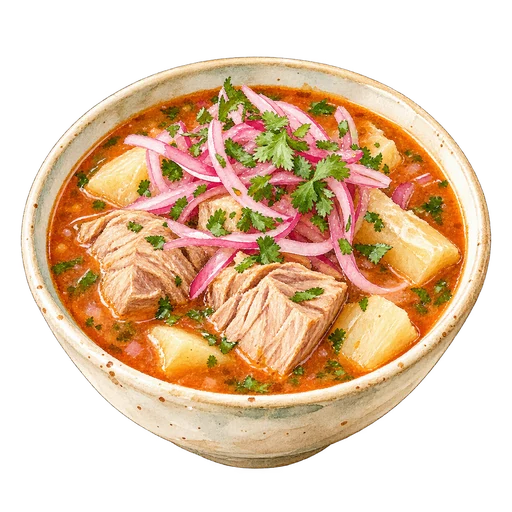
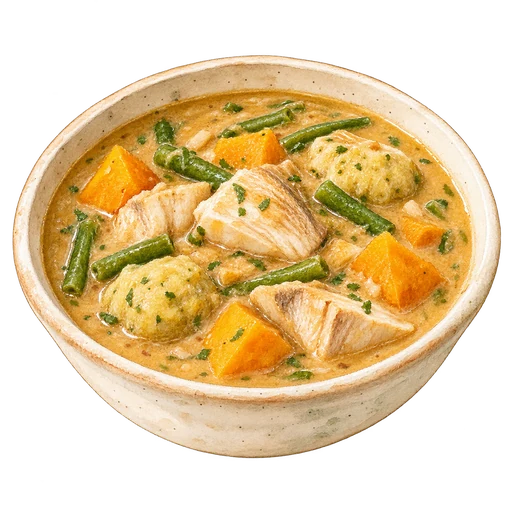
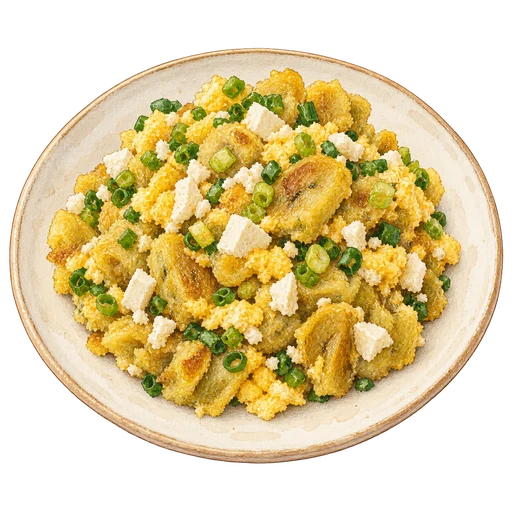
In Guayaquil, encebollado is a fish soup with cassava and onion. Encocado centres on coconut; viche combines fish and peanuts among other ingredients; tigrillo is based on green plantain. These introduce Esmeraldas, Manabí and El Oro rather than defining fixed recipes. Ask about ingredients, sauces and accompaniments.
The Amazon: maito and forest knowledge
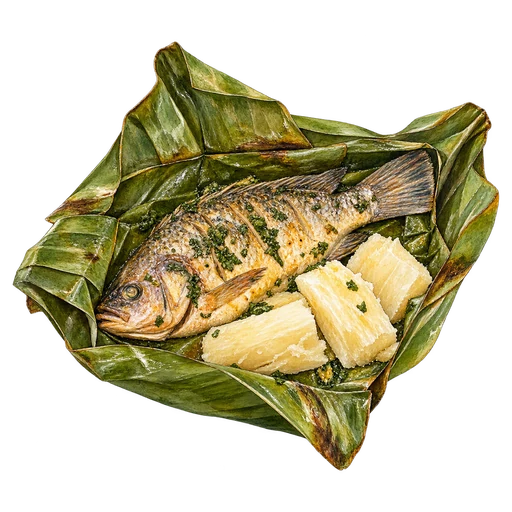
Fish maito is wrapped in bijao leaves, or banana leaves depending on the preparation, and cooked over embers. Around Puyo and Tena, cooking offers a chance to meet growers, gatherers and cooks. Guayusa also features among local drinks. Discover these uses without treating cultural accounts as health promises.
Cheese, cacao and producers’ work
In Salinas de Guaranda, dairy products introduce community enterprise. Research at Santa Ana–La Florida in Palanda documents early cacao use. When visiting producers, ask which stages you will see and who does the work: tasting and seeing production are different experiences.
Taste with curiosity
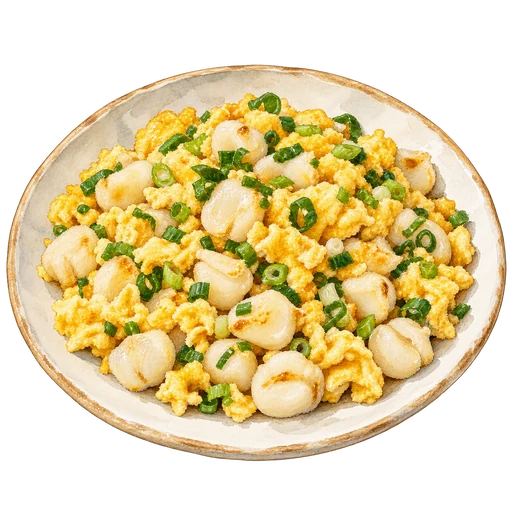
In Cuenca, mote pillo combines large hominy kernels with scrambled eggs. If you have dietary requirements, ask about ingredients before ordering. A dish’s name does not reveal everything it contains. Choose places willing to explain their products, respect the pace of service and ask before photographing kitchens. The province guides expand on these starting points.