Otavalo: the work behind the textiles
Plaza de los Ponchos introduces Imbabura’s textiles. Go further at a workshop welcoming visitors and ask who weaves, embroiders or finishes each piece. Materials and techniques vary; markets bring together products from different places. Otavalo’s heritage is a favourite memory behind this journal.
Quito and Cuenca: histories meeting in the city
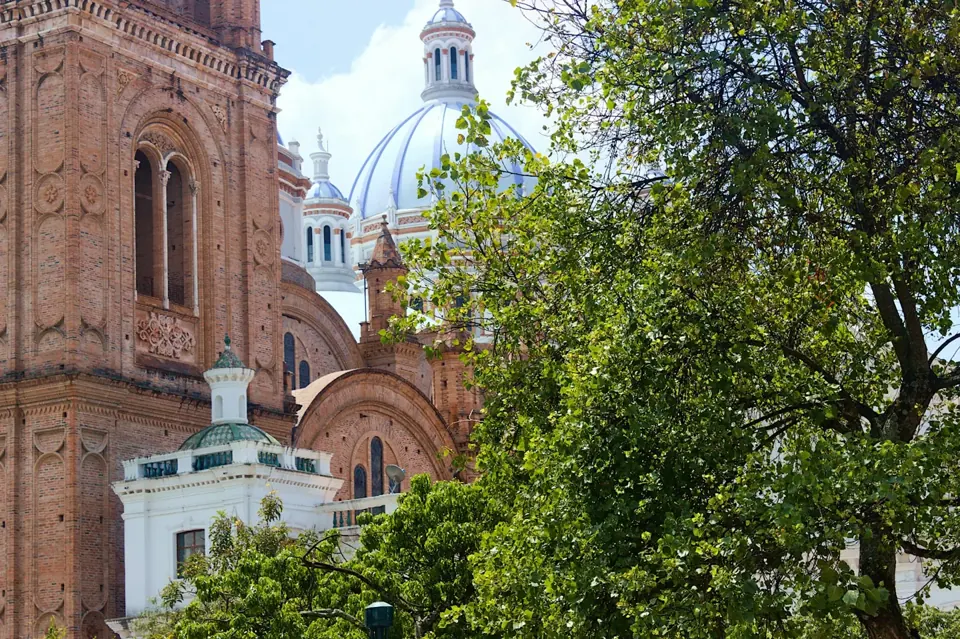
The historic centres of Quito and Cuenca bring together different legacies. Pumapungo introduces Cañari, Inca and colonial periods; Quito’s squares and markets connect architecture with everyday life. Allow time for a museum and a walk rather than collecting façade photographs.
Celebrations: understand before photographing
Mama Negra is part of Latacunga’s intangible heritage. Guaranda’s carnival and Inti Raymi celebrations open other stories. There is no uniform calendar: organisers, meanings and visitor arrangements vary. Check local programmes and ask before taking portraits.
Toquilla straw: Ecuadorian craft knowledge
Traditional weaving of the Ecuadorian toquilla straw hat is inscribed by UNESCO as intangible cultural heritage. Fibre preparation, weaving and finishing involve different skills. Meeting makers helps explain both the finished piece and the time behind it.

Esmeraldas: listening to marimba
Esmeraldas’s marimba music, chants and dances share a UNESCO inscription with Colombia’s southern Pacific region. They are passed on within communities and families. Listen to musicians’ explanations and ask permission before recording or photographing.
Encounters without turning culture into a show
Visits around Puyo, in other Amazon territories or with Tsáchila communities should be arranged with hosts. Ask what they wish to share, in which language and on what terms. A ceremony is not an automatic service, and no visit sums up a people’s life.