Find your way around the province
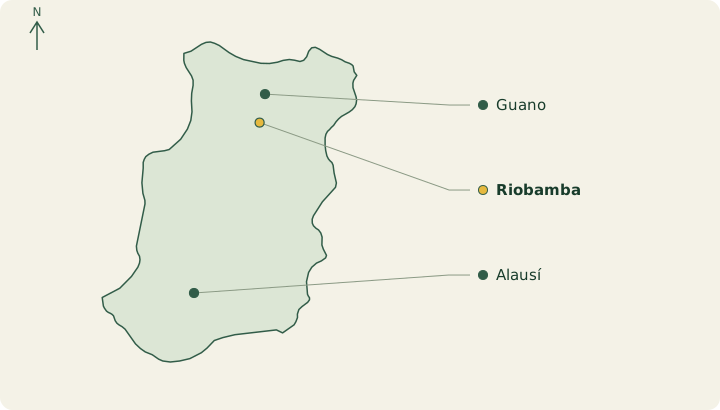
- Riobamba
- Guano
- Alausí
What to discover
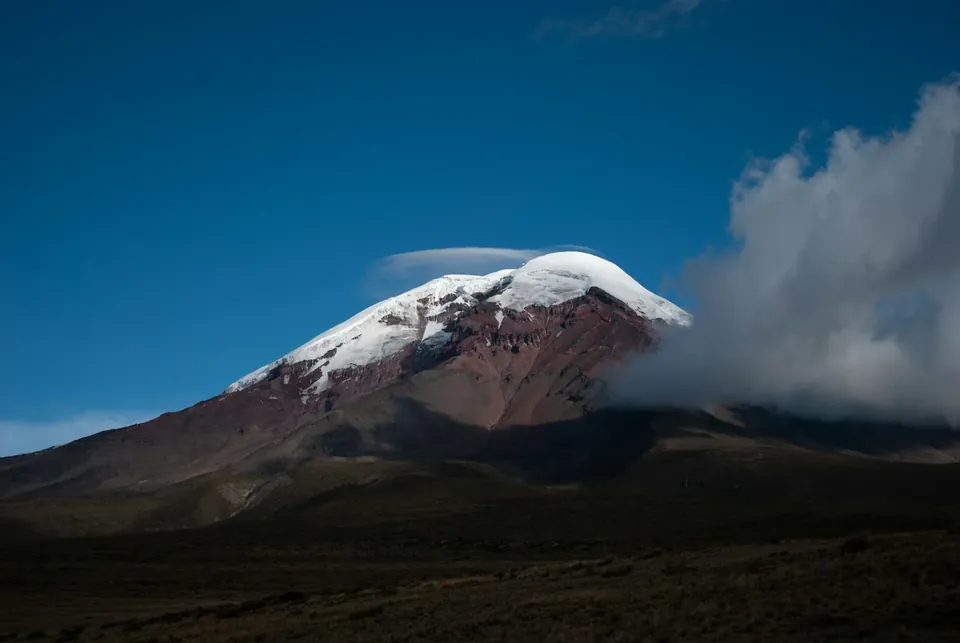
Choose an outing around Chimborazo and a stop in Guano or Colta. El Altar’s lakes are a separate hiking project requiring their own preparation.
Heritage and traditions
The hielero tradition, Guano’s cholas pastries and local markets tell stories of work as well as landscape. Listen to residents to understand how these practices change.
A suggested stay
Allow a day for Riobamba and another for the mountain. Add a village stop instead of more long transfers.
Plan this stop
A reserve walk and a summit ascent are different undertakings. Check elevation, terrain, weather and guidance. Confirm any railway service before building your itinerary around it.
Places, celebrations and crafts
Ozogoche, highland lakes
In Alausí canton, the Ozogoche lakes reveal the scenery of Sangay National Park: water, páramo and open horizons. Give this area a dedicated excursion rather than a hurried stop. A local guide can help you choose a walk suited to the weather and your comfort at altitude.
Palmira, a different side of Chimborazo
Palmira’s sandy landscapes contrast with the lakes and volcanic slopes elsewhere in the province. A walk offers time to observe the landforms and changing light. This stop complements a provincial itinerary without replacing a day exploring the mountain.
From the hieleros to Guano’s cholas
The history of the hieleros tells of natural ice transported from Chimborazo to Riobamba’s markets: blocks were wrapped in straw to slow melting. In Guano, continue exploring local skills through cholas, small bread rolls with a sweet panela centre made from unrefined cane sugar. A bakery stop adds a taste of everyday tradition to your visit.
Festival and seasonal calendar →
Practical information
When to go
June to September is generally drier in the Andes. Nights remain cool and mountain weather can change quickly. Outside this period, keep mountain outings flexible.
What to book or arrange
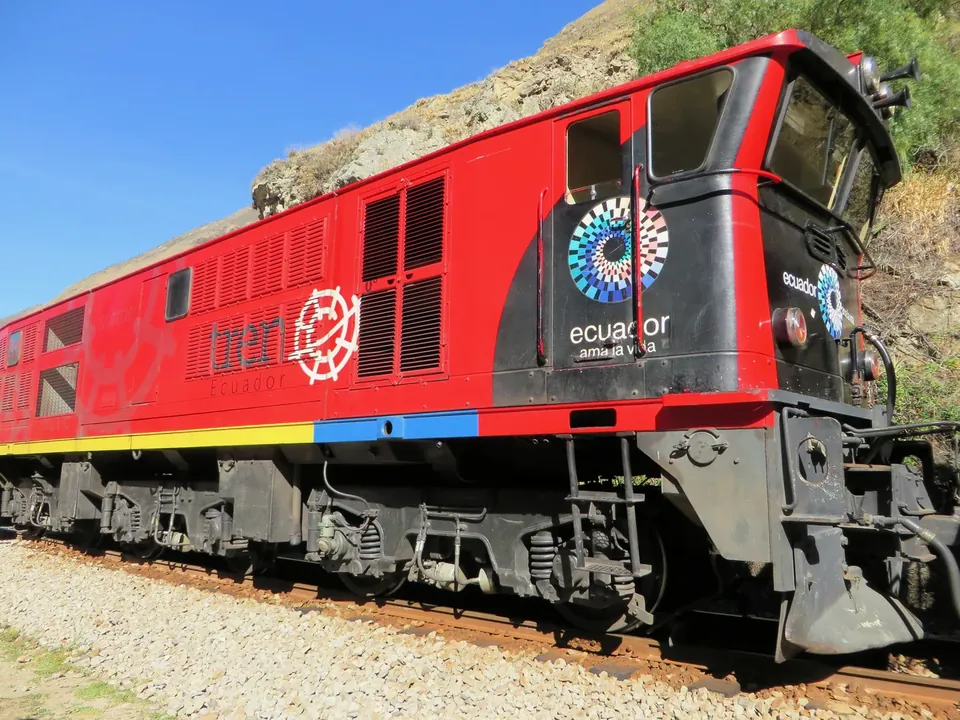
Arrange altitude outings with suitable guiding and transport. For the Nariz del Diablo train, confirm operating departures and tickets with the operator before fixing this stop.
Local food to try
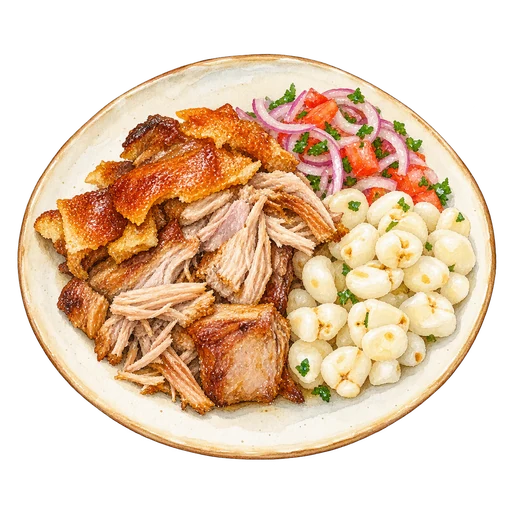
Hornado, roast pork, is a familiar dish at Riobamba’s markets. In Guano, look for cholas, traditional sweet breads, as you explore the workshops.
Alausí and the Devil’s Nose
Nariz del Diablo is the well-known mountain railway route between Alausí and Sibambe. The municipality announced the first departure of the relaunch for 5 July 2025. Diario Los Andes later reported another reopening on 6 June 2026 after an interruption and repairs following a mudflow. Alausí’s municipality provides a route and ticketing page. Confirm departures for your dates there: a reopening report does not guarantee daily service. This is a place the journal’s traveller hopes to discover, rather than a first-hand experience.
Municipio de Alausí · Nariz del Diablo · Diario Los Andes · 7 junio 2026